
This is normal and it’s why you typically feel warm after a drink or two. Drinking alcohol can also lead to some nasal congestion, but this clears up quickly in most people. As a result, their bodies produce inactive ALDH enzymes that are unable to properly break down the alcohol into acetic vinegar. This incomplete processing of the alcohol can cause the body to react by producing symptoms that reflect an allergy to the alcohol.
Are there any potential risks or side effects of using coffee to alleviate congestion?
Excessive drinking can lead to alcoholic cardiomyopathy, where heart muscles overstretch and weaken, changing the heart’s shape. This condition may also involve scar tissue buildup, disrupting the heart’s electrical system and leading to arrhythmias. Alcohol flush (sometimes known as Asian flush) specific supplements such as Sunset Alcohol Flush Reduction help reduce the amount of acetaldehyde in your blood when you consume alcohol. This helps you breathe easier and allows you to enjoy alcohol like everyone else. When muscles are in better shape, they use oxygen more efficiently, and that’s great to ensure your lungs can respond to the toxic stresses caused by alcohol consumption.
Heart-Related Issues
- Pineapple Mint Sparkling WaterPineapple is packed with bromelain, which can help reduce airway inflammation, while mint helps with breathing and reduces inflammation.
- If you experience chest pain after drinking alcohol, it is essential to consult a healthcare professional.
- However, excessive coffee consumption can lead to increased heart rate, blood pressure, and respiratory rate, which may exacerbate congestion in some individuals.
- At Lake Ave Recovery in Massachusetts, we offer comprehensive addiction treatment programs tailored to your needs.
She has helped hundreds of thousands of individuals to re-connect with their bodies and learn self-love through proper eating habits and natural living. While many believe that dairy is not the cause of mucus – studies say otherwise. The studies that claim dairy doesn’t create mucus are directly funded by the dairy industry, so massive bias lies in resultant data.
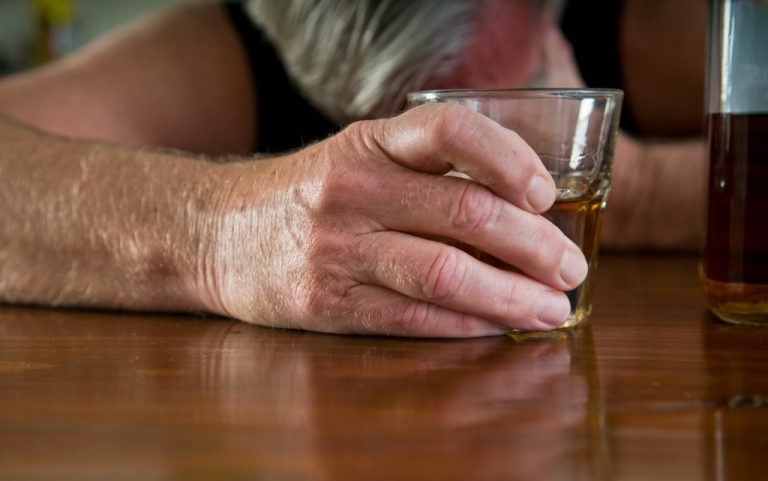
Alcohol and Your Sinuses
As you get older, you might notice that your body starts to handle alcohol differently. This isn’t just your imagination—it’s actually a natural part of aging. https://paragon-developments.co.uk/how-to-flush-alcohol-from-urine-4/ If you’re experiencing similar changes after starting a new medication, it might be time to have a chat with your doctor or pharmacist. For individuals who find themselves struggling with alcohol use, seeking professional help is essential, and facilities like Lake Ave Recovery in Massachusetts are here to provide support. As you can see, being selective with the kind of alcohol you consume can be an easy and effective way to breathe easier when enjoying your next drink.

Are There Any Vitamins or Supplements That Help Reduce Mucus?
Frequent vomiting increases the risk of dehydration and disrupts electrolyte balance, worsening overall discomfort. In severe cases, prolonged sickness after drinking indicates a stronger sensitivity to alcohol’s toxic effects. Sneezing or postnasal drip occurs in individuals with high alcohol Substance abuse sensitivity, leading to persistent discomfort.
Alcohol intolerance is a congested after drinking condition bringing about unpleasant symptoms because the body has difficulty breaking down alcohol. The disorder results from a hereditary enzyme deficiency or inability to metabolize specific alcohol components including sulfites or histamines. Consuming coffee in the morning, when congestion is often at its worst, might provide temporary relief. Coughing after drinking alcohol (or sometimes referred to as alcohol cough) may result from a few potential cultrips. There are a few reasons why some people may experience excessive mucus after drinking alcohol.
Why Does My Nose Run When I Drink Coffee
- With an intolerance, the symptoms are uncomfortable but not as serious.
- Alcohol acts as a diuretic, promoting the production of urine and leading to the loss of fluids and essential electrolytes.
- Watch out for other signs like fever, gastric upset or dizziness, in which case you need medical help.
This can help to maintain hydration levels and reduce the risk of dehydration. Additionally, drinking water can help to thin out mucus, making it easier to expel and reducing congestion. By understanding the role of dehydration in congestion caused by alcohol consumption, individuals can take steps to stay hydrated and alleviate congestion and discomfort. For those sensitive to histamines, the consumption of alcoholic beverages can amplify the symptoms. Histamines are naturally occurring compounds found in various foods and drinks, including certain alcoholic beverages. Wines, particularly red wines, contain higher levels of histamines and can trigger reactions in sensitive individuals that range from mild congestion to nasal irritation.
Yes, there are several underlying health conditions that can make congestion caused by alcohol consumption worse. For example, people with pre-existing respiratory conditions like asthma or chronic obstructive pulmonary disease (COPD) may experience more severe congestion and discomfort after consuming alcohol. Additionally, individuals with allergies or sensitivities to certain ingredients in alcohol, such as sulfites or histamine, may be more prone to congestion and other symptoms.
Comentarios recientes